
Howdy Readers 🥰
In this newsletter, you’ll find:
📧Your Best Customers Get the Worst Emails
📊 Microsoft and OpenAI Both Made Major Advertising Moves This Week
🏆 Ad of the Day
If you’re new to ScaleUP then a hearty welcome to you. You’ve reached the right place along with 50k+ CEOs, CMOS, and marketers. Let’s get into it, shall we? Oh! Before you forget, if someone forwarded this newsletter to you, don't forget to subscribe to our newsletter so you never miss out!
📧Your Best Customers Get the Worst Emails
The brands spending the most to acquire customers are putting the least thought into what happens after the purchase.
Post-purchase flows are treated like logistics. Confirmation, shipping update, review request. Done. But the 72 hours after a first order is the only window where a customer is actively looking for reasons to feel good about the decision they just made. If you’re not filling that window intentionally, doubt fills it instead.
The sequence that changes the math:
Lead with outcome, not product. Your hour-two email shouldn’t mention what they bought. It should describe who they’re becoming. A supplement buyer doesn’t want to be reminded they ordered capsules.
They want to feel like the version of themselves that already got the result. Write to that person.
Suppress the discount in email two. Most brands send a “complete your collection” offer at day three. This trains your best customers to wait for promotions before buying again.
Instead, send a friction-removal email. What’s the one thing that causes people to abandon the habit or the product? Address it directly. This email kills refunds and seeds the repurchase.
Let customers sell email three for you. Don’t write a testimonial block. Pull one real customer result, format it as a short story with a specific before and after, and make the reader feel like they’re reading about themselves.
Social proof only works when it’s specific enough to feel personal.
The brand problem underneath this
Scaling this across markets, product lines, or multiple internal teams is where consistency breaks. The email creative, campaign decks, and briefs circulating internally start looking like they came from different companies.
Templafy fixes this at the source. It works inside PowerPoint and locks brand rules, approved assets, and content guardrails into every AI-generated deck your team builds automatically. Adobe teams recovered 72% of their time. BDO saved $1.65M in a year. You can try Templafy for free.
A tight post-purchase sequence doesn’t just improve retention. It changes what a customer is worth before you’ve spent another dollar acquiring them.
That’s the lever most brands have and aren’t pulling.
📊 Microsoft and OpenAI Both Made Major Advertising Moves This Week
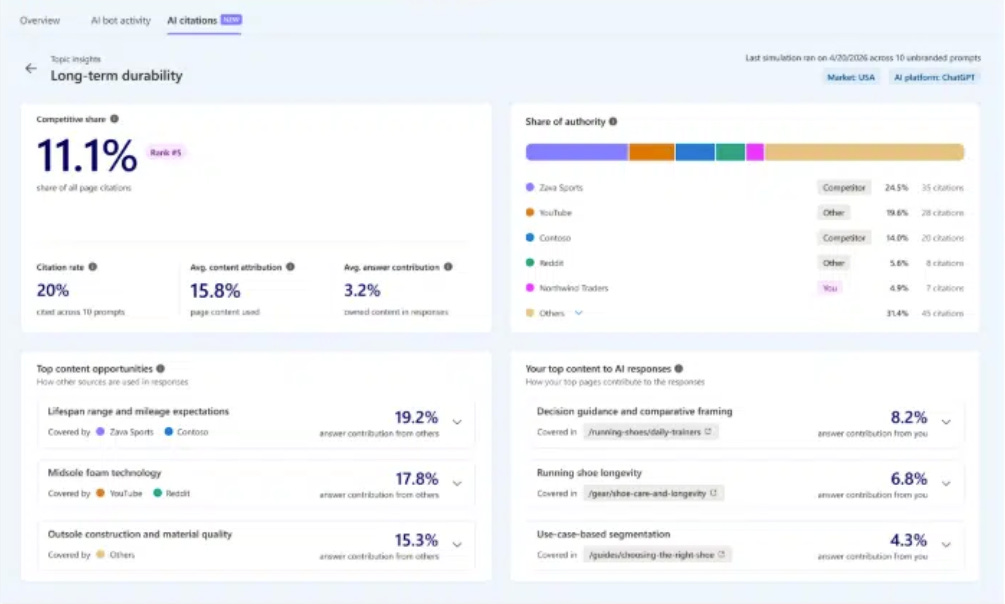
Microsoft launched AI-first ad tools built for the agentic web while OpenAI shifted ChatGPT from impression-based ads to cost-per-click, putting both platforms in direct competition with Google’s core business.
The Breakdown:
Microsoft Wants AI to Choose Your Brand - Microsoft launched AI Max for Search, Offer Highlights, and AI Visibility this week. The goal is simple, stop optimizing for clicks and start making sure AI systems select your brand when making decisions for users.
Audiences and Commerce Got Smarter Too - A new audience tool builds targeting segments from plain language descriptions. Universal Commerce Protocol structures product data for AI agents to transact on directly. Copilot Checkout lets users complete purchases inside Microsoft Copilot.
OpenAI Just Added Pay Per Click to ChatGPT - OpenAI is now testing cost-per-click ads inside ChatGPT with clicks priced between $3 and $5. Advertisers pay only when users click, officially moving ChatGPT from a branding surface to a performance channel.
ChatGPT Is Coming for Google’s Ad Budget - ChatGPT CPMs dropped from $60 to around $25 since launch. CPC ties revenue to measurable outcomes instead of impressions, positioning ChatGPT to compete directly for the performance marketing budgets that currently flow to Google Search.
The real test for ChatGPT ads is proving intent. Search works because users are actively looking for something. ChatGPT needs to show its conversational context converts at a comparable rate before advertisers commit serious budget.
🏆 Ad of the Day
What Works:
The Hidden Conversion Mechanism
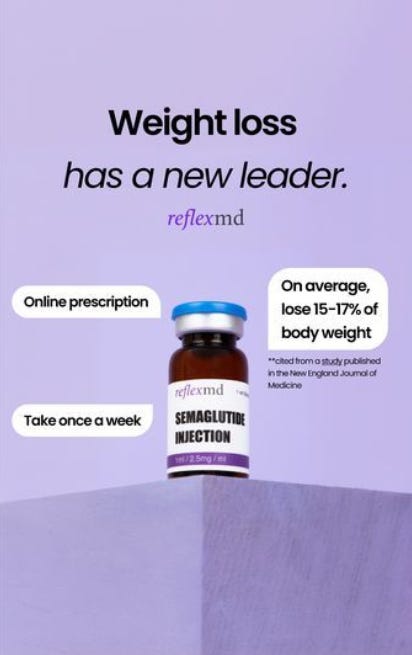
This ad positions itself as a category shift, not a product entry. “Weight loss has a new leader” implies the old methods are outdated, making alternatives feel inferior without direct comparison.
The clinical setup creates a doctor-approved inevitability, where results feel expected, not hoped for. It removes effort from the equation entirely.
“Once a week” reframes discipline into low-maintenance compliance, making the transformation feel passive.
Don’t compete in the category. Declare a new standard and make everything else feel obsolete.
Advertise with Us
Wanna put out your message in front of over 50,000 best marketers and decision makers?
We are concerned about everything DTC and its winning strategies. If you liked what you read, why not join the 50k+ marketers from 13k+ DTC brands who have already subscribed? Just follow this.
At ScaleUP, we care about our readers and want to provide the best possible experience. That's why we always look for ways to improve our content and connect with our audience. If you'd like to stay in touch, be sure to follow us EVERYWHERE🥰
Thanks for your support :) We'll be back again with more such content 🥳