
Howdy Readers 🥰
In this newsletter, you’ll find:
🥲The monthly FAQ email is answering the average objection, which is nobody’s actual one
📍 Google ads is giving automation even more control
🏆 Ad of the day
If you’re new to ScaleUP then a hearty welcome to you. You’ve reached the right place along with 50k+ CEOs, CMOS, and marketers. Let’s get into it, shall we? Oh! Before you forget, if someone forwarded this newsletter to you, don't forget to subscribe to our newsletter so you never miss out!
🥲The monthly FAQ email is answering the average objection, which is nobody’s actual one
FAQ emails work because they remove uncertainty before it turns into inaction. A well-written answer can eliminate hesitation, build trust and generate sales without relying on another discount. The problem isn’t the format. It’s that most brands send the exact same FAQ email to everyone, even though the question stopping someone from buying changes dramatically over time.
A list isn’t one audience, It’s several audiences moving through different stages of the relationship.
The objection changes as the customer does
Someone who subscribed three days ago isn’t asking the same question as someone who’s been opening emails for six months without buying.

One blended FAQ inevitably answers the wrong question for most of the list.
The issue isn’t the writing, it’s that the objection being addressed no longer matches where the reader is.
Organize objections by lifecycle, not just topic
Support tickets, live chats and customer emails already contain the answers.
Instead of building one master list of objections, tag them by subscriber tenure and purchase status. Patterns emerge surprisingly quickly.
Questions from new subscribers often revolve around trust and product fit. Questions from long-term non-buyers usually revolve around urgency, differentiation or timing. Existing customers introduce an entirely different set of concerns again.
Once those patterns become visible, the FAQ naturally becomes two or three different emails instead of one generic version.
Make at least one answer feel genuinely human
Every version should include at least one honest trade-off. Not every product is the fastest. Not every feature is perfect.
A specific concession often does more to build credibility than several paragraphs of reassurance because it signals the email is trying to inform rather than persuade.
Building lifecycle-specific FAQ emails manually means sorting customer conversations, identifying recurring objections and matching them to subscriber stage before writing anything.
Omnisend AI can do much of that work automatically by analyzing customer interactions, scoring subscriber segments and drafting lifecycle-specific emails based on where customers are in their journey.
Brands using Omnisend generate an average of $79 for every $1 spent, migration is free in as little as five days, and pricing is up to 35% lower than Klaviyo’s. Get started with ready-made prompts. You can read the guide
The best FAQ email isn’t the one that answers the most common objection. It’s the one that answers the question the reader is actually asking right now.
📍 Google ads is giving automation even more control
Google is changing how advertisers control language, local intent, and even how sponsored placements appear to shoppers. The common thread is clear: more decisions are shifting from explicit advertiser settings toward Google’s automated systems.
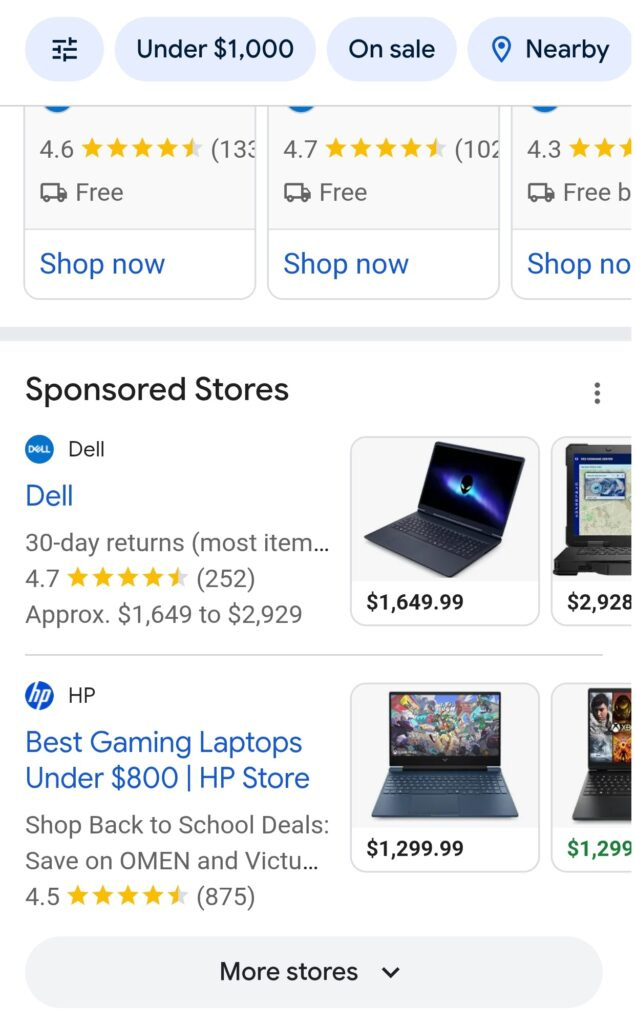
The Breakdown:
1. “Sponsored” could become “Featured Store” - Google is testing “Featured Store” alongside “Shop these top products” for sponsored Shopping placements. The underlying ad unit remains, but the softer language could change how consumers perceive commercial results.
2. Search is losing campaign-level language targeting - From late September, Search will rely on creative, landing pages, and Google’s understanding of user languages instead. Existing multilingual structures can remain, but compliance-focused advertisers may lose an important control layer.
3. PMax can now chase nearby, high-intent customers - Local customer optimization lets store-goal campaigns prioritize people navigating or searching nearby across Maps, Waze, and Search. Merchant Center feeds and online conversion goals are incompatible with it.
4. YouTube and Discover policies got clearer, not stricter - Google has rewritten its YouTube and Discover Feed ad requirements for readability. The company says there are no new requirements or enforcement changes, so advertisers don’t need to adjust campaigns.
Google Ads is steadily replacing advertiser-defined controls with automated interpretation while experimenting with how advertising itself is presented. Marketers gain simpler optimization, but increasingly surrender visibility and precise control over delivery.
🏆 Ad of the Day
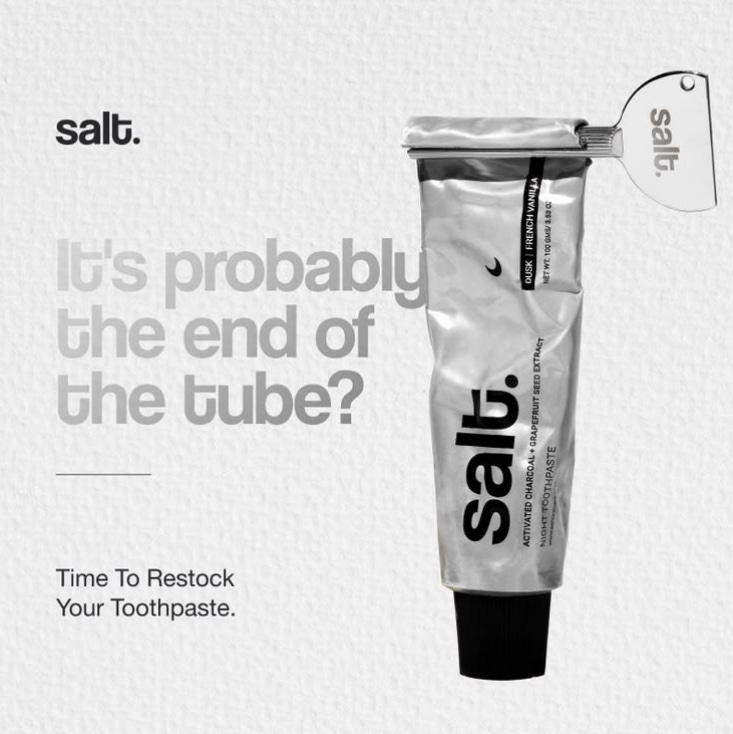
What Works:
Depletion Creates Urgency - The crushed toothpaste tube visually communicates product depletion before you read anything, creating a strong behavioral cue that makes “time to restock” feel timely and natural.
Minimalism Builds Recall - The monochrome palette, oversized negative space and single hero product keep cognitive load extremely low, giving the creative strong visual hierarchy and premium branding recall.
Copy Feels Conversational - “It’s probably the end of the tube?” mirrors an everyday thought shoppers already have, making the ad feel relatable while smoothly moving them toward a replenishment decision.
Build ads around recognizable depletion signals like empty bottles, worn packaging or low stock. These cues activate replenishment intent without needing aggressive discounts or urgency language.
Advertise with Us
Wanna put out your message in front of over 50,000 best marketers and decision makers?
We are concerned about everything DTC and its winning strategies. If you liked what you read, why not join the 50k+ marketers from 13k+ DTC brands who have already subscribed? Just follow this.
At ScaleUP, we care about our readers and want to provide the best possible experience. That's why we always look for ways to improve our content and connect with our audience. If you'd like to stay in touch, be sure to follow us EVERYWHERE🥰
Thanks for your support :) We'll be back again with more such content 🥳