
Howdy Readers 🥰
In this newsletter, you’ll find:
🫤 Your brand is showing up in AI answers. The way it’s being described is the actual problem.
🔍 Google Dropped Three Search and Ads Updates This Week
🏆 Ad of the Day
If you’re new to ScaleUP then a hearty welcome to you. You’ve reached the right place along with 50k+ CEOs, CMOS, and marketers. Let’s get into it, shall we? Oh! Before you forget, if someone forwarded this newsletter to you, don't forget to subscribe to our newsletter so you never miss out!
Together with Insense
You don’t need another agency. You need a better system.

More DTC brands are pulling creator marketing in-house because agency models are too slow, too rigid, and too expensive to test at the speed that paid social demands.
Insense is the self-serve platform built for that transition.
Source from 80,000+ vetted creators, interactive brief templates and approvals in one place, automated contracts and payments, and lifetime usage rights included on every piece of content.
Trusted by over 3500 brands like Quince, Paysend, SmileSet, and Monster Energy,
No retainer. No middleman. Full visibility and control from day one. Brands save 40+ hours a month and get first creator applications within 48 hours.
P.S. If you need occasional assistance with influencer scouting, post-production, or platform management, they offer customizable and hybrid managed services.
Book a free strategy call by May 8 and get a $200 platform credit towards your first campaign.
🫤 Your brand is showing up in AI answers. The way it’s being described is the actual problem.
Brands chasing AI visibility are asking the wrong question. They want to know if they’re appearing. They should be asking how.
An AI system retrieving your brand and describing it as a secondary option, a budget alternative, or a tool with limitations is worse than not appearing at all. Sentiment in AI answers shapes purchase decisions before a single click happens.
Here’s how to monitor it and shift it in your favor.
Audit what AI is actually saying about you
Before changing anything, you need to know what you’re working with. Run your brand name through ChatGPT, Perplexity, and Google AI Mode across ten to fifteen prompts relevant to your category. Document the exact language used to describe you each time.
Look specifically for three things:
Positioning language: Are you described as a leader, an alternative, a budget option, or a niche tool? Each carries a different conversion implication.
Comparison context: Which competitors are you being mentioned alongside? Being retrieved next to a weaker competitor reinforces authority. Being retrieved as the cheaper version of a stronger one undermines it.
Claim accuracy: Are the capabilities, use cases, or differentiators AI systems attribute to you actually accurate and current? Outdated or incorrect claims get retrieved and repeated at scale.
Identify the sources shaping your narrative
AI systems don’t form opinions independently. They pull from sources, review platforms, industry publications, comparison sites, and community forums. The sentiment in those sources becomes the sentiment in AI answers.
Map the top sources currently influencing your brand narrative:
Pull the URLs being cited alongside your brand mentions in AI answers
Identify which review platforms are being weighted most heavily
Find the comparison articles ranking well in your category and audit how you’re positioned in each one
These sources are your actual leverage points. A single high-authority comparison article describing you unfavorably is doing more damage than a hundred unoptimized blog posts.
Shift the narrative at the source level
Once you know which sources are shaping AI sentiment, address them directly. Update outdated positioning on review platforms. Pitch corrections or updated profiles to industry publications citing stale information. Create content that directly addresses the comparison context where you’re being undervalued.
*SEMrush’s AI Visibility Toolkit tracks your brand narrative across AI answers, showing share of voice, sentiment breakdown, and snapshots of exactly how each platform is describing you relative to competitors. You can try it free for 7 days. Check your narrative this week.
Run ten prompts. Document the language. Find the sources. One unfavorable comparison article removed or updated does more for your AI sentiment than months of new content published into a vacuum. Control the narrative at the source. The AI answers follow.
🔍 Google Dropped Three Search and Ads Updates This Week
Google is testing a cleaner conversion tracking setup, retiring Dynamic Search Ads in favor of AI Max, and rolling out a new spam penalty for back button hijacking.
The Breakdown:
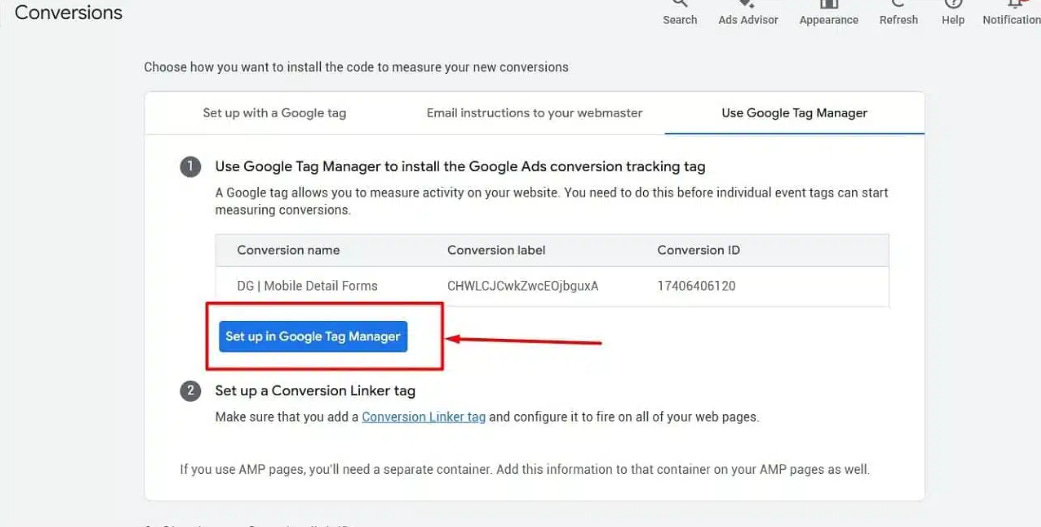
Conversion Tracking Just Got Easier - Google Ads is testing a direct GTM integration that lets advertisers push conversion setups with one click instead of manually copying IDs and labels between platforms. Fewer steps, fewer errors, faster deployment.
Dynamic Search Ads Are Being Retired - Google is replacing DSA, automatically created assets, and campaign-level broad match with AI Max starting September. Voluntary upgrade tools are rolling out now; those who do not migrate will be automatically switched by the end of September.
AI Max Comes With a Performance Claim - Google reports an average 7% lift in conversions or conversion value at similar CPA/ROAS when using AI Max’s full feature set compared to search term matching alone.
Back Button Hijacking Now Carries a Penalty - Google officially added back button hijacking to its spam policy list with enforcement starting June 15th. Sites redirecting users away from expected navigation face manual spam actions or automated ranking demotions.
Three things advertisers should do now, migrate DSA campaigns before September or lose control of the setup, audit your site for back button manipulation before June 15th, and keep an eye on the GTM conversion integration when it rolls out fully.
🏆 Ad of the Day
What Works:
The Hidden Conversion Mechanism
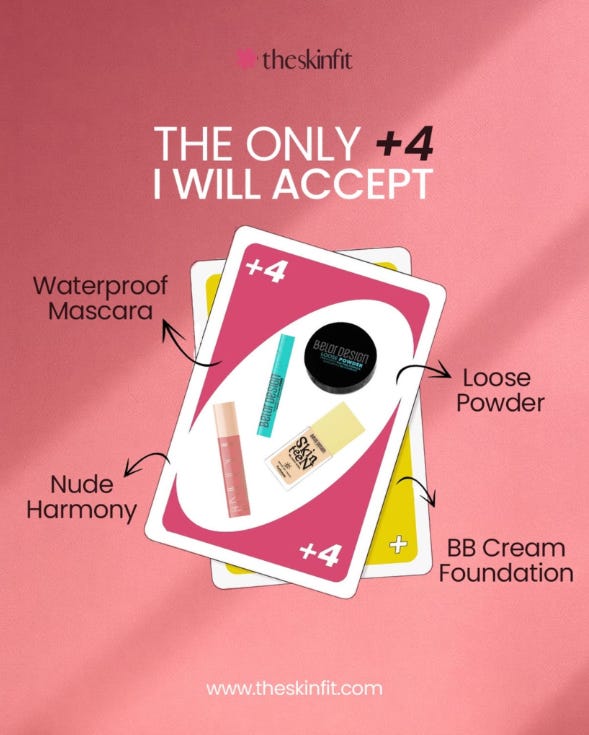
This ad hijacks game logic, not beauty logic. The UNO-style “+4” reframes the bundle as a power move, not a purchase. You’re not buying products, you’re gaining an advantage, which makes the decision feel playful and rewarding instead of transactional.
“The only I will accept” taps into selective standards, signaling these are the few that make the cut, which elevates perceived quality without proof.
The layout turns products into a winning hand, not separate items.
Repackage your offer using familiar game mechanics. When buying feels like winning, resistance drops fast.
*When you purchase through links in this article, we may earn an affiliate commission from Semrush.
Advertise with Us
Wanna put out your message in front of over 50,000 best marketers and decision makers?
We are concerned about everything DTC and its winning strategies. If you liked what you read, why not join the 50k+ marketers from 13k+ DTC brands who have already subscribed? Just follow this.
At ScaleUP, we care about our readers and want to provide the best possible experience. That's why we always look for ways to improve our content and connect with our audience. If you'd like to stay in touch, be sure to follow us EVERYWHERE🥰
Thanks for your support :) We'll be back again with more such content 🥳