
Howdy Readers 🥰

In this newsletter, you’ll find:
✌️The Second Checkout: Why Your Post-Purchase Window Is Worth More Than Your First Sale
📱 Meta, Snapchat, and Pinterest All Dropped Ad Updates This Week
🏆 Ad of the Day
If you’re new to ScaleUP then a hearty welcome to you. You’ve reached the right place along with 50k+ CEOs, CMOS, and marketers. Let’s get into it, shall we? Oh! Before you forget, if someone forwarded this newsletter to you, don't forget to subscribe to our newsletter so you never miss out!
✌️ The Second Checkout: Why Your Post-Purchase Window Is Worth More Than Your First Sale
Your post-purchase flow is leaking eight figures across the industry, and nobody’s treating it like the revenue event it actually is. The window between “order confirmed” and “package shipped” is the single warmest buying moment a customer will ever have with your brand.
They’ve already pulled out the card. The friction is gone. Yet 90% of brands fill this window with a thank-you note and a tracking link.
The brand’s compounding margin in 2026 runs three plays inside this window. Each one rewires a different stage of the buyer’s psychology.
The Pre-Ship Bundle Stack: Run a four-touch sequence before the package leaves the warehouse. Minute 15: founder plain text with a soft pairing offer, free shipping baked in.
Hour 1: a “what goes with this” email anchored to one complementary SKU.
Hour 2: Scarcity closes on the free shipping window.
Day 3: a usage-and-care email that reduces buyer’s remorse before the box arrives. This stack converts because the order is open, the warehouse hasn’t picked it, and adding a unit costs you nothing in fulfillment overhead. Expect 8 to 14% incremental AOV on this flow alone.
The Zero-CAC Cross-Sell
Once the package lands, the customer has lived with your product. Their next purchase carries zero acquisition cost. Push harder here than you would on cold traffic, because every dollar after the first sale is gross profit margin, not ad-funded.
For single-SKU brands, run a gifting angle instead of a cross-sell. The buyer becomes the referrer. One customer becomes 1.4.
The Review-to-Social Loop
Trigger the review request on day 7 post-delivery, then route satisfied reviewers into a UGC ask and a follow-up on socials. This single chain produces the three assets that drive the next acquisition cycle: trust signal, creative input, and owned audience growth. Most brands run these three flows separately. Stacked, they compound.
The first sale pays for the traffic. The next 90 days are where the actual business lives. If your post-purchase is a thank-you note, you’re handing margin back to Meta every month.
📱 Meta, Snapchat, and Pinterest All Dropped Ad Updates This Week
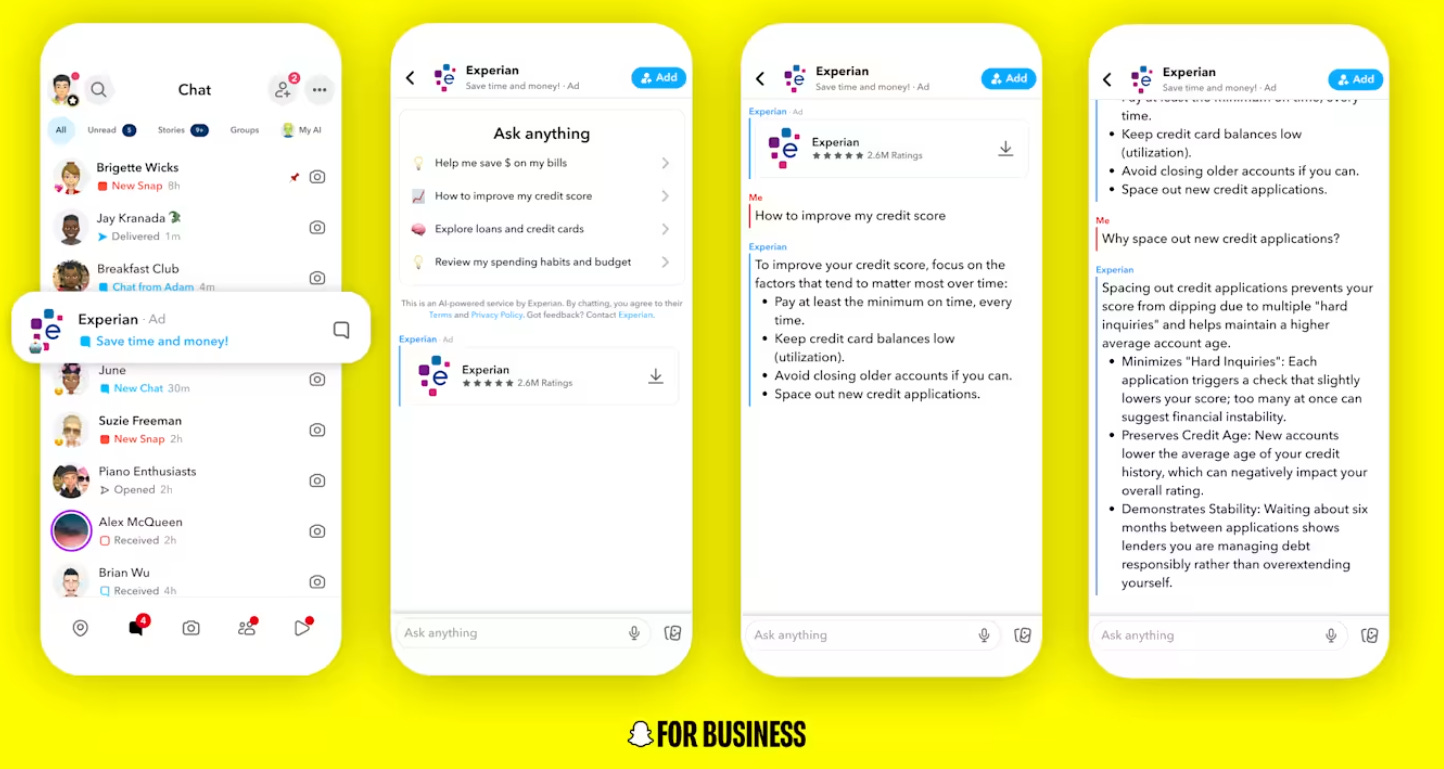
Meta tightened transparency rules for third-party platforms, Snapchat put branded AI chatbots directly into users’ inboxes, and Pinterest expanded into connected TV, three very different bets on where ad revenue comes from next.
The Breakdown:
Meta Cleans Up Third-Party Ad Costs - Meta announced that third-party ad platforms will now need to show advertisers exactly what they spend on Meta ads separately from the platform’s own fees. Full campaign reporting is part of the update, too.
Brand Accounts Get Clearer Structure - Meta also clarified that advertisers should run separate ad accounts per brand. High-volume advertisers are the exception, provided they correctly implement vendor_id and brand fields across their catalog and pixel integrations.
Snapchat Puts AI Chatbots in DMs - Snapchat launched sponsored AI chatbots that appear directly in users’ Snap inboxes. Users can talk to branded bots using suggested prompts. Sponsored Snaps already drive 22% more conversions than other formats on the platform.
Pinterest Goes to the TV Screen - Pinterest launched CTV ad placement via tvScientific, delivering 27% more outcomes per $100 and 65% more purchases when enriched with Pinterest’s high-intent signals from its existing audience data.
Pinterest’s CTV bet is backed by real numbers; LG saw a 73% jump in unique households reached. US CTV ad spend is heading past $45 billion by 2028. Snap’s gambling AI makes branded DMs feel less invasive than they did in 2016.
🏆 Ad of the Day
What Works:
The Hidden Conversion Mechanism
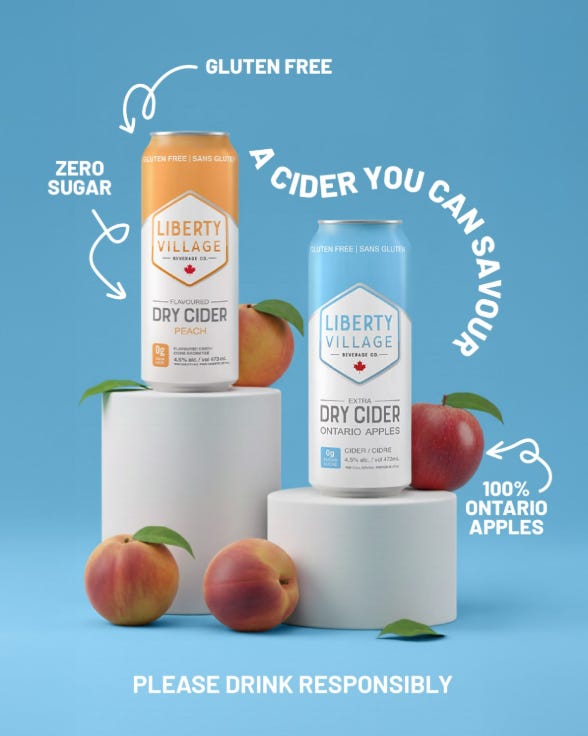
This ad wins through clarity stacking, making decision-making effortless. Every arrow and callout answers a buying objection before it forms, turning the visual into a guided pitch. You’re not exploring, you’re being led to certainty.
The clean blue background + fruit props create a freshness + lightness bias, positioning the drink as guilt-free.
“A cider you can savour” shifts it from casual drink to intentional choice.
Guide the eye like a sales conversation. When your ad answers objections visually, conversion friction drops instantly.
Advertise with Us
Wanna put out your message in front of over 50,000 best marketers and decision makers?
We are concerned about everything DTC and its winning strategies. If you liked what you read, why not join the 50k+ marketers from 13k+ DTC brands who have already subscribed? Just follow this.
At ScaleUP, we care about our readers and want to provide the best possible experience. That's why we always look for ways to improve our content and connect with our audience. If you'd like to stay in touch, be sure to follow us EVERYWHERE🥰
Thanks for your support :) We'll be back again with more such content 🥳