
Howdy Readers 🥰

In this newsletter, you’ll find:
😮What Six Months of Bad Structure Does to a Media Account
📱 Facebook, Instagram, and Meta All Had Updates Worth Knowing This Week
🏆 Ad of the Day
If you’re new to ScaleUP then a hearty welcome to you. You’ve reached the right place along with 50k+ CEOs, CMOS, and marketers. Let’s get into it, shall we? Oh! Before you forget, if someone forwarded this newsletter to you, don't forget to subscribe to our newsletter so you never miss out!
Together with Insense
You know UGC works for you. Now build the machine.

You know creator content works for your brand. The challenge now isn’t whether to do it; it’s how to do it at volume without the process falling apart.
Insense is the self-serve platform for DTC brands that have outgrown manual UGC.
Source from 80,000+ vetted creators, run multiple campaigns in parallel, automate contracts and payments via Shopify integration, and receive content in 14 days, with full lifetime usage rights included.
Trusted by SmileSet, Paysend, Bending Spoons, Quince, Monster Energy, and 3,500+ brands using Insense to turn what works into a repeatable production system.
Book a free strategy call by April 24 and get a $200 platform credit towards your first campaign.
😮What Six Months of Bad Structure Does to a Media Account
Most Meta audits find the same problems. Audience overlap. Broken tracking. Wrong campaign objectives. The fixes are documented everywhere.
What isn’t documented is what those problems look like after six months of compounding inside a scaling account, and why fixing them at that stage produces a performance drop that gets blamed on the marketer who finally caught it.
This is the problem in-house performance marketers inherit and rarely have language for. Algorithmic debt: the silent accumulation of bad training data inside an account that’s been structurally broken while the budget kept growing.
Three Places Algorithmic Debt Builds Fastest
1. Audience overlap left unresolved past 60 days. An overlap above 29% between your top prospecting audiences means you’ve been splitting the same people across multiple ad sets, paying a premium for every impression while Meta’s model learns that your customer looks like everyone. The longer this runs, the more embedded that flawed model becomes.
Fix: audit overlap monthly, consolidate audiences above the threshold, and rebuild exclusion logic from scratch on any account older than 90 days. Don’t assume previous exclusions are still correctly structured; check them.
2. Learning-limited ad sets that kept spending. An ad set stuck in learning for the past six days isn’t optimizing, it’s guessing. Every rupee spent in that state deposits bad signal into the algorithm’s understanding of your customer. At month one, this is a minor inefficiency. At month six, it’s a corrupted baseline.
Fix: Set a hard rule, any ad set in learning limited to the past six days gets paused, consolidated, or rebuilt with a broader audience threshold. Never let it keep spending, hoping it exits on its own.
3. Platform ROAS is growing while blended MER drifts. This is the number that exposes everything. Pull 90 days of data and compare platform ROAS against blended MER, total revenue divided by total spend across all channels. A widening gap between the two means the dashboard is taking credit for organic and repeat purchases that were happening anyway. The account looks like it’s performing while the structural damage quietly inflates costs underneath.
Fix: Make blended MER your primary reporting metric internally. Platform ROAS stays on the dashboard but stops being the number you defend in Monday meetings.
Why the Fix Looks Like a Problem
Here’s what nobody tells you about correcting a structurally broken account: the first two to three weeks after fixing overlap, exclusions, and learning-limited ad sets will show a performance dip before improvement arrives.
The algorithm needs time to relearn on a clean signal. To anyone watching the dashboard without context, that dip looks like the fix caused the damage.
Document everything before you start. Timestamp the structural changes. Build a simple before/after view of blended MER, not platform ROAS. That’s the record that protects your credibility while the account rebuilds, and the clearest way to show leadership that the previous numbers weren’t real to begin with.
Structure first. Scale second. The accounts that compound cleanly are the ones that got the foundation right before the budget grew.
📱 Facebook, Instagram, and Meta All Had Updates Worth Knowing This Week
From engagement tactics on Facebook to comment editing on Instagram and Meta’s push into proprietary AI, here is everything that dropped across the family of apps this week.
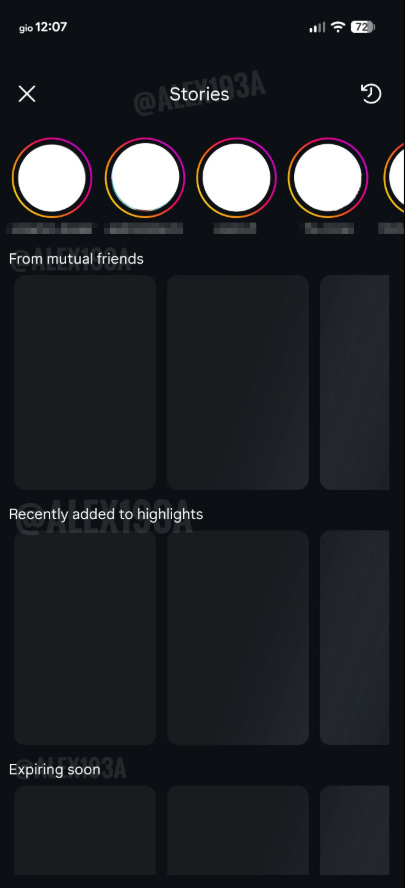
The Breakdown:
Stories Might Become a Discovery Surface - Instagram is testing a dedicated Stories tab with discovery carousels, highlights, and expiring content. Still in testing and not live yet, but if it rolls out, it could make Stories a meaningful visibility surface beyond just connections.
Replying to Comments Pays Off - A Buffer study of over one million Facebook posts found that replying to comments delivers a 9.5% lift in reactions. Small number, big implication, the algorithm rewards engagement patterns, and the lift compounds over time.
Instagram Now Lets You Edit Comments - Users can now edit any comment within 15 minutes of posting, with no limit on revisions inside that window. Text-only edits, and other users will see the comment was changed, but not what it said before.
Muse Spark Raises Revenue Questions - Meta launched Muse Spark, its first major AI model in over a year, and unlike Llama, it is proprietary. The company is pointing it squarely at better ad targeting and creative tools across Facebook, Instagram, and WhatsApp, with paid API access also on the table.
Meta’s AI competitors have built real enterprise traction while Meta still runs almost entirely on ad revenue. Muse Spark needs to prove it can both compete technically and open new revenue streams. Right now, those are still open questions.
🏆 Ad of the Day
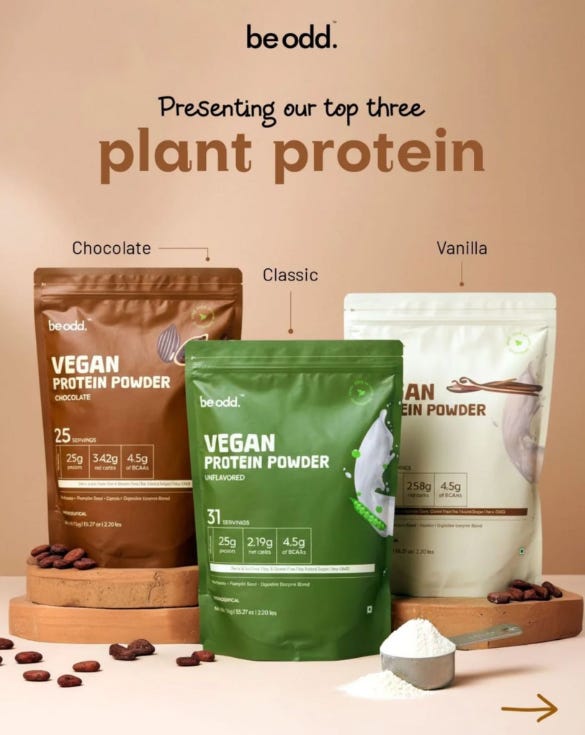
What Works:
The Hidden Conversion Mechanism
This ad reduces choice anxiety by pre-curating the decision space. “Top three” signals that the filtering is already done, so you’re not choosing from a category, you’re choosing from the best of it. That dramatically lowers decision fatigue.
The visual separation of flavors creates a controlled comparison, making differences feel simple and non-risky instead of overwhelming.
The central placement of “classic” anchors the lineup, making it feel like the safe default.
Don’t show all options. Curate a small set and frame it as the best, so choosing feels easy, not risky.
Advertise with Us
Wanna put out your message in front of over 50,000 best marketers and decision makers?
We are concerned about everything DTC and its winning strategies. If you liked what you read, why not join the 50k+ marketers from 13k+ DTC brands who have already subscribed? Just follow this.
At ScaleUP, we care about our readers and want to provide the best possible experience. That's why we always look for ways to improve our content and connect with our audience. If you'd like to stay in touch, be sure to follow us EVERYWHERE🥰
Thanks for your support :) We'll be back again with more such content 🥳