
Howdy Readers 🥰

In this newsletter, you’ll find:
👨💻 Decide TikTok’s real job
🚀 Google Demand Gen Gets Smarter
🏆 Ad of the Day
If you’re new to ScaleUP then a hearty welcome to you, you’ve reached the right place along with 50k+ CEOs, CMOS, and marketers. Let’s get into it, shall we? Oh! Before you forget, if someone forwarded this newsletter to you, don't forget to subscribe to our newsletter so you never miss out!
🚀Decide TikTok’s real job
TikTok Shop doesn’t struggle because brands can’t sell.
It gets difficult when brands scale volume without defending contribution margin.
Fees, affiliates, creators, logistics, and paid spend stack fast. Treat any of them as “secondary,” and GMV grows while profit disappears.
Start with the constraint that matters.
Max allowable CAC = Price × (1 − COGS − platform fees − affiliate take − returns − pick/pack/ship − creator amortization).
That number is non-negotiable.
Example.
A $60 SKU at 30% COGS leaves $42. Platform fees take it near $36. Affiliates at 20% drop it to $24. Shipping and returns push contribution toward $13–15. That leaves roughly $12 for acquisition before overhead. Exceed it, and growth turns negative.
This is why TikTok Shop feels like Amazon economics without Amazon certainty.
Fees assume trust and efficiency that aren’t always there yet, so brands spend extra on creators and affiliates to compensate, right where margins are weakest.
That’s the fork in the road.
Decide whether TikTok Shop is a profit channel, brand media, or controlled experiment.
If you don’t decide, the account defaults into pretending it’s profitable while being funded like media.
Affiliate economics need guardrails.
High commissions can still lose money if they reward low-AOV or repeat buyers at the same rate as net-new demand. Tiering by AOV, contribution, or new-customer share protects margin without killing volume.
Sampling is the other silent leak.
Mass sending without strict deliverables produces zero leverage. Every sample should exist to create reusable paid assets, not one-off posts.
This is where Insense fits economically, not creatively.
When CAC ceilings are tight, the goal is lowering creator cost per usable asset, not finding more creators. Insense lets teams turn one brief into 20+ raw clips with lifetime rights in under two weeks, improving asset yield so the creator spend amortizes instead of compounding.
If you want to pressure-test that system, book a free strategy call before January 30 and get $200 toward your first campaign.
TikTok Shop can scale. But only if the math leads, not the GMV graph.
🚀 Google Demand Gen Gets Smarter
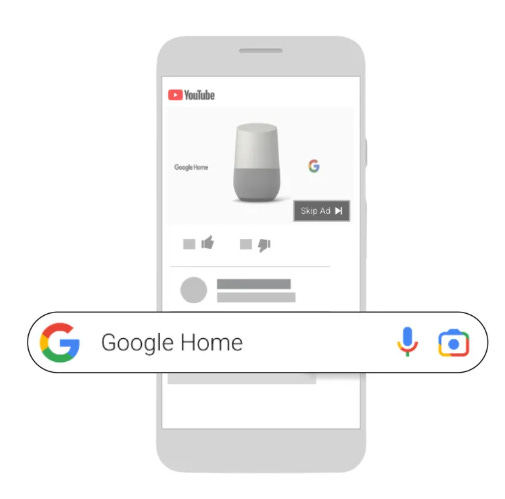
Google just shipped two updates that make campaign decisions feel less like guesswork and more like clean testing. Demand Gen is getting better visibility into the intent it creates after the ad view. And Google Ads is rolling out a new experiment type built for accounts running multiple campaign formats at once.
The Breakdown:
1. Demand Gen shows brand search lift - Demand Gen now reports brand searches that happen after someone sees your ad across Google and YouTube, so you can track interest that shows up as follow-up research, not just clicks or conversions.
CTV Demand Gen ads can now include QR codes, letting viewers jump from a TV screen to a phone action instantly, and YouTube says people watched 35B hours of shopping-related videos last year.
2. Mix Experiments beta tests campaign blends - Campaign Mix Experiments lets you test different combinations of Search, Performance Max, Shopping, Demand Gen, Video, and App campaigns inside one experiment, instead of comparing channels in isolation.
You can create up to five test arms, split traffic as low as 1%, and report on ROAS, CPA, conversions, or value with confidence intervals, but Google recommends running tests for 6 to 8 weeks.
These changes are small on paper, but they push Google Ads closer to how performance teams actually work, measure demand creation, speed up CTV conversions, and test the whole system together.
🏆 Ad of the Day
What Works:
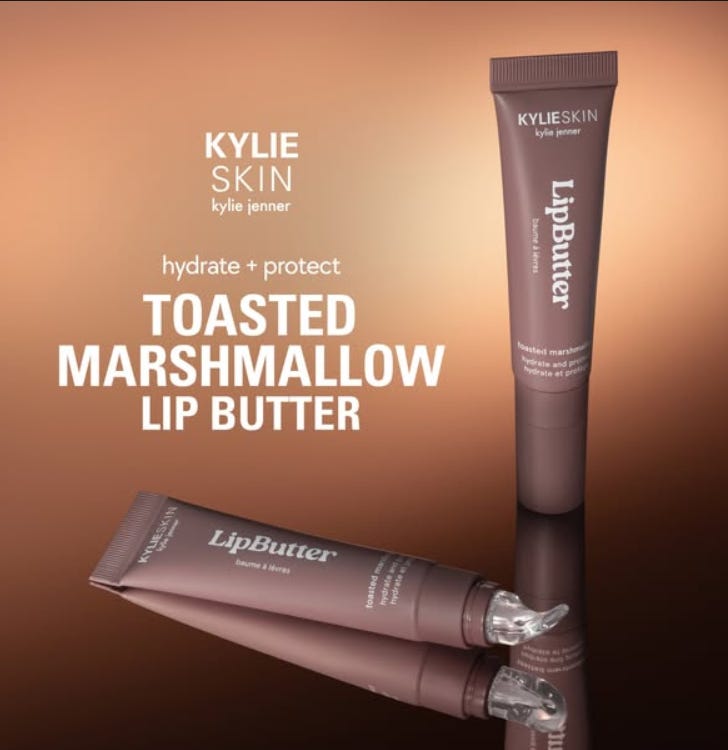
The Product Name Is The Ad: “Toasted Marshmallow” does more work than any benefit claim. It makes the lip butter feel like a craving, not a skincare item, which is how you get impulse clicks.
The Visual Is Dessert-Level - Everything is brown-on-brown with soft lighting, like a warm drink ad. It makes the product feel edible and comforting without literally showing food.
It’s Built For Fast Browsing - Brand, benefit, flavor, product. Done. No story, no education, no “why it works.” This is meant for people already in the mood to buy something small and cute.
If you sell a low-commitment product, sell the sensory payoff. Flavor names, textures, and mood beat “clinically proven” every single time.
Advertise with Us
Wanna put out your message in front of over 50,000 best marketers and decision makers?
We are concerned about everything DTC and its winning strategies. If you liked what you read, why not join the 50k+ marketers from 13k+ DTC brands who have already subscribed? Just follow this.
At ScaleUP, we care about our readers and want to provide the best possible experience. That's why we always look for ways to improve our content and connect with our audience. If you'd like to stay in touch, be sure to follow us EVERYWHERE🥰
Thanks for your support :) We'll be back again with more such content 🥳