
Howdy Readers 🥰
In this newsletter, you’ll find:
🧐Consent changes from 2027
📱 AI Is Changing Creative Workflows
🏆 Ad of the Day
If you’re new to ScaleUP then a hearty welcome to you. You’ve reached the right place along with 50k+ CEOs, CMOS, and marketers. Let’s get into it, shall we? Oh! Before you forget, if someone forwarded this newsletter to you, don't forget to subscribe to our newsletter so you never miss out!
🧐Consent changes from 2027
The FCC’s “revocation-all” provision got delayed to January 31, 2027, which makes it easy to file under later. It shouldn’t be.
The rule, once active, treats any opt-out on one channel as revoking consent across every channel and every purpose, meaning a customer unsubscribing from SMS wouldn’t just leave the text list, they’d legally exit email too, and every other channel connected to that consent record, unless the program is architected to handle that correctly.
Most current opt-out flows do the opposite on purpose. A customer leaves SMS and gets offered an email-only alternative, treating the two channels as genuinely separable preferences rather than one shared consent record.
That’s good marketing under today’s rules. Under the 2027 rule, unless the specific consent language and flow are built correctly in advance, that same channel-switch offer risks running against the exact thing the rule is designed to prevent.
Building for this now means the consent architecture, not just the opt-out flow, needs a real review, not a quick skim.
Every place consent gets captured should specify clearly which channels that consent actually covers, worded so that opting out of one doesn’t automatically imply the customer meant to opt out of everything, since specificity at the moment of consent is what protects a channel-switch offer from becoming a violation once the rule finally activates in 2027.
The manual version of this audit means reviewing every consent capture point across the signup flow, checkout, and any opt-in forms individually, checking the exact language against what the future rule will require, and rebuilding anything vague before it becomes a compliance problem instead of a marketing choice.
An AI connected to a live Omnisend account can review the current consent language across every capture point and flag which ones are vague enough to risk trouble under the coming rule, drafting the specific language needed to fix each one for review.
Omnisend already runs this for 150,000+ brands, generating an average of $79 for every $1 spent, with a full setup migrated free within five days and pricing up to 35% lower than Klaviyo’s.
You can get started with the ready-made prompts and run the audit this week. Eighteen months sounds like plenty of runway. It stops sounding like enough the day a competitor gets flagged for exactly this and the deadline is suddenly next quarter, not 2027.
📱 AI Is Changing Creative Workflows
New research from TikTok, WARC, and ESW shows AI is becoming central to marketing, but human insight and consumer trust remain critical for driving results.
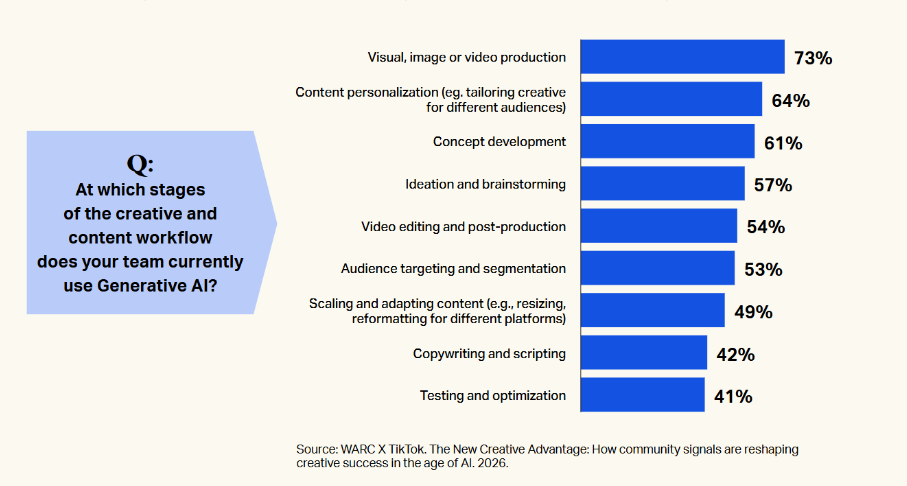
The Breakdown:
AI Is Now Mainstream - The TikTok-WARC report found 90% of marketers consider GenAI important to creative development, while 72% already use it regularly. Today, 73% use AI for visual content creation, compared with 42% using it for copywriting.
Output Is Rising - AI is improving productivity across creative teams. 88% of marketers say it has increased creative output, while 45% report a significant improvement in content quality. Still, one in three believe richer cultural insights are needed to make AI-generated content more relevant.
Culture Improves AI - The report found 86% of marketers believe audience and community signals will play a bigger role in shaping AI creativity, while 76% expect to increase their use of TikTok’s AI-powered creative tools over the next year.
Discovery Doesn’t Mean Purchase - ESW found 62% of consumers are influenced by social platforms when discovering products, but only 6% prefer to complete purchases there. Many still move to trusted brand websites before buying.
AI is making creative production faster, but better performance depends on the quality of the inputs. At the same time, brands must design for customer journeys where discovery happens on social platforms, but purchases often happen elsewhere.
🏆 Ad of the Day
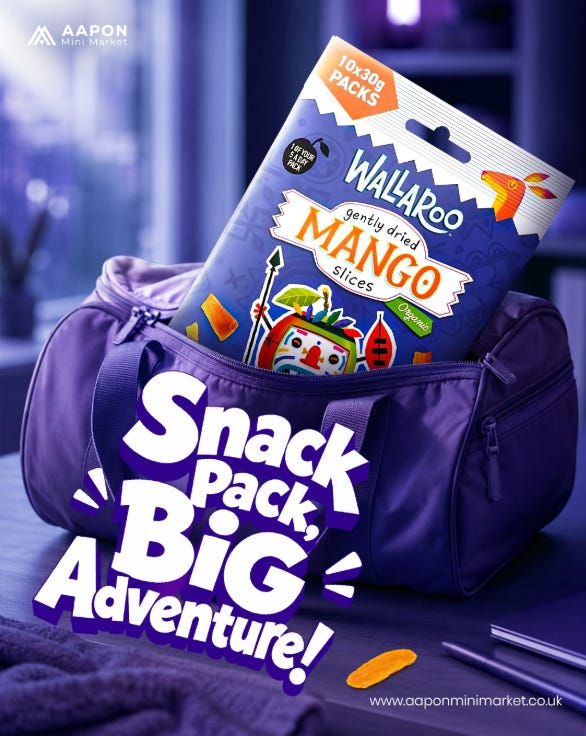
What Works:
Typography Stops Scroll - The oversized “Snack Pack Big Adventure” headline creates a playful pattern interrupt, while the bold 3D typography boosts thumb-stop potential and keeps the message instantly readable.
Portability Becomes Visual - Placing the multipack inside an open travel bag turns portability into a visual use case, helping shoppers immediately understand when, where and why the product fits.
Color Builds Recall - The saturated purple palette gives the ad strong shelf and feed distinction, while the oversized pack shot preserves branding recall and clearly communicates quantity, flavor and format.
Build the creative around one recognizable consumption moment, such as commuting, travel or lunch, then scale the product large enough to make the use case unmistakable.
Advertise with Us
Wanna put out your message in front of over 50,000 best marketers and decision makers?
We are concerned about everything DTC and its winning strategies. If you liked what you read, why not join the 50k+ marketers from 13k+ DTC brands who have already subscribed? Just follow this.
At ScaleUP, we care about our readers and want to provide the best possible experience. That's why we always look for ways to improve our content and connect with our audience. If you'd like to stay in touch, be sure to follow us EVERYWHERE🥰
Thanks for your support :) We'll be back again with more such content 🥳